November 18, 2026
Beyond the Classroom: The Importance of Holistic Education in Schools

Education is about much more than textbooks, examinations, and academic achievements. It is about preparing young minds to face the world with confidence, creativity, knowledge, and compassion. Holistic education plays an important role in shaping students into well-rounded individuals.
1. Building a Strong Academic Foundation
A quality education encourages students to understand concepts, ask questions, and develop critical thinking skills. Interactive teaching methods and practical learning experiences help students discover the joy of learning.
2. Encouraging Creativity and Innovation
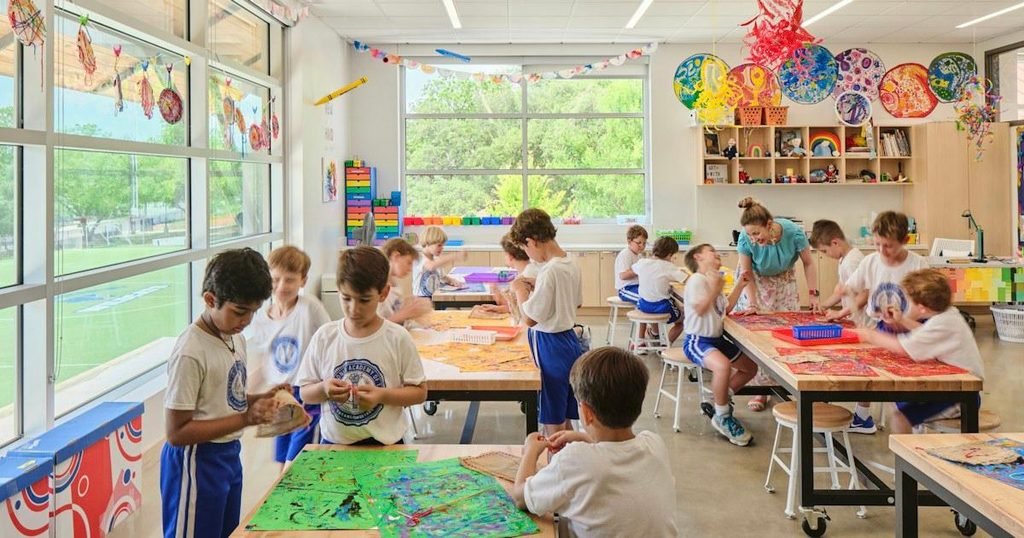
Art, music, science projects, and extracurricular activities provide opportunities for students to explore their talents. These experiences encourage independent thinking, imagination, and problem-solving
3. Supporting Physical and Emotional Well-Being
A positive school environment supports both physical and emotional development. Sports, outdoor activities, teamwork, and supportive relationships help students build confidence, resilience, and healthy habits.
4. Developing Essential Life Skills
Communication, leadership, teamwork, adaptability, and decision-making are essential skills for the future. Schools can nurture these qualities through group activities, classroom discussions, and collaborative learning.
5. Preparing Students for a Global Future

In today’s interconnected world, students need more than academic knowledge. Cultural awareness, digital literacy, and respect for diversity help them become responsible global citizens.
Conclusion
Holistic education creates a meaningful balance between academic excellence, personal growth, and social development. By nurturing every aspect of a child’s potential, schools lay the foundation for lifelong learning and future success.